
Florida Springs Near Lake City: A Complete RV Traveler's Guide
Florida is home to more freshwater springs than any other place on Earth, and the Lake City area sits in the heart of some of the most spectacular spring systems in the state. These crystal-clear, spring-fed waters maintain a constant 72-degree temperature year-round, offering a refreshing escape and unforgettable experiences for RV travelers. Whether you're looking to tube, snorkel, dive, or simply relax in pristine natural surroundings, this guide will help you discover the best springs near Lake City.
Why Florida Springs Are Special
Florida's springs are geological wonders formed over thousands of years. Rainwater percolates through the limestone bedrock of the Florida aquifer, emerging as artesian springs that pump millions of gallons of pure, crystal-clear water daily. The consistent temperature, remarkable clarity, and vibrant aquatic ecosystems make these springs true natural treasures. The springs near Lake City are particularly notable for their accessibility, preservation, and the variety of activities they offer.
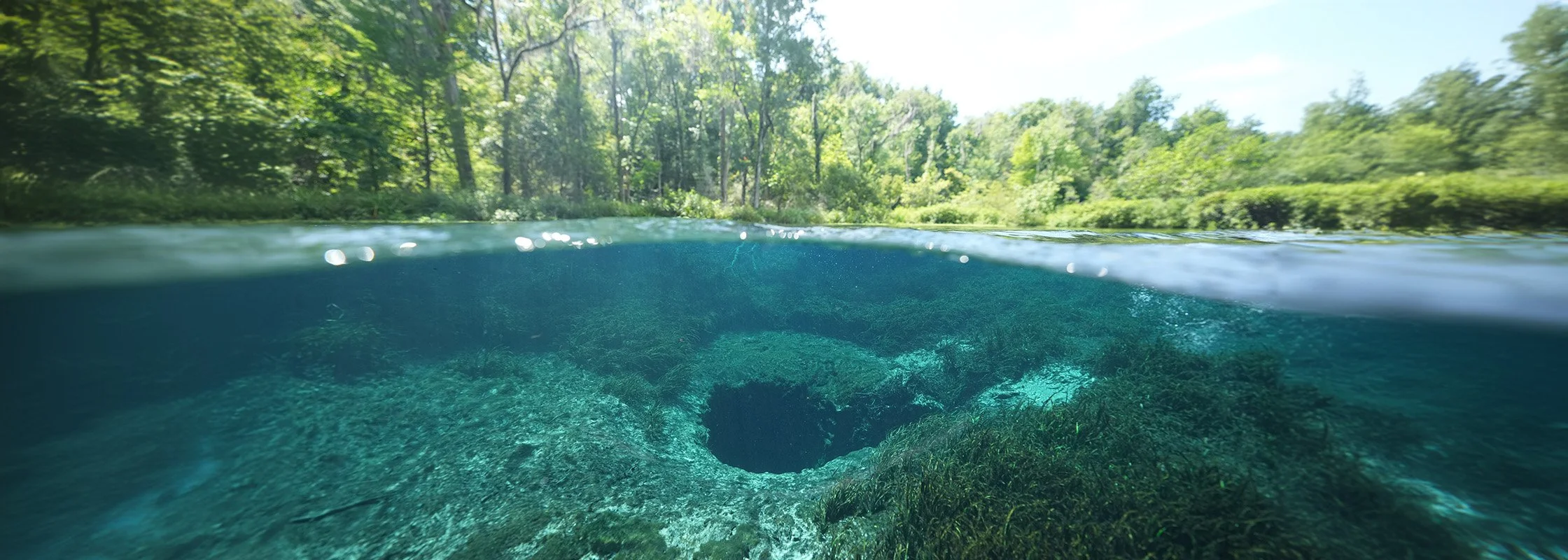
Ichetucknee Springs State Park
Distance from Lake City: 25 miles
Ichetucknee Springs is arguably the crown jewel of North Florida springs and consistently ranks among the most beautiful springs in the entire state. The park encompasses eight major springs and dozens of smaller ones that feed the six-mile Ichetucknee River.
What Makes It Special
The Ichetucknee's crystal-clear waters wind through a lush hardwood forest draped with Spanish moss, creating a magical tunnel-like canopy in many sections. The river's gentle current makes it perfect for tubing, and the three-hour float from the north entrance to the south entrance is one of Florida's most beloved water activities. The clarity of the water allows you to see every fish, turtle, and plant below you as you drift downstream.
Activities
Tubing is the main draw during summer months (Memorial Day weekend through Labor Day weekend), when tube rentals are available at the park. During the off-season, the park is ideal for kayaking, canoeing, snorkeling, and diving. Several of the springs have designated swimming areas where you can simply enjoy the cool water. The park also features hiking trails through pristine Florida wetlands and uplands.
RV-Friendly Tips
While the state park itself doesn't offer RV camping, several private campgrounds nearby cater to RVers. The park can get crowded on summer weekends, so arriving early is essential. Coolers, disposable containers, and alcohol are prohibited to protect the pristine environment. Plan to bring reusable water bottles and snacks in approved containers.
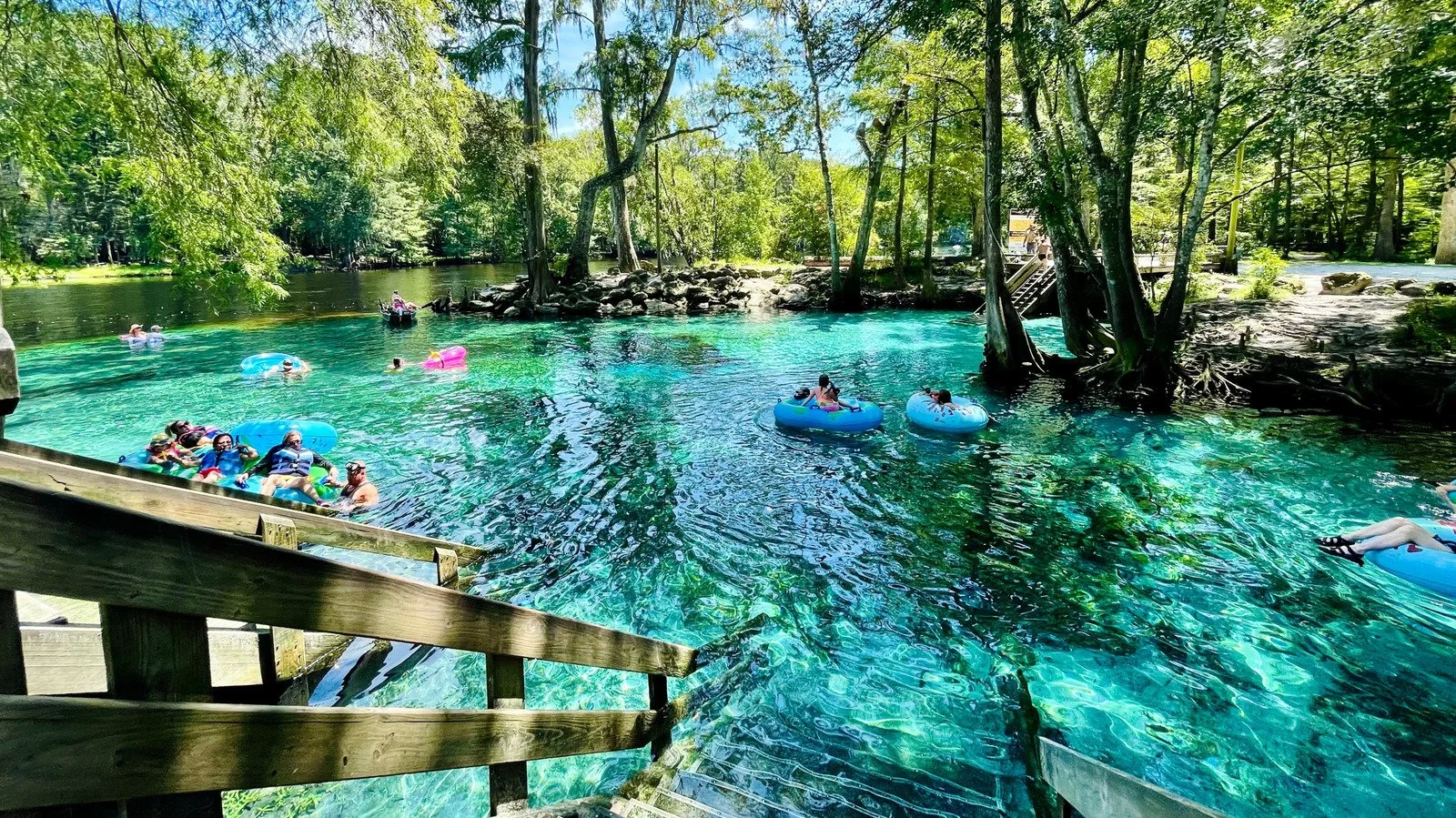
Ginnie Springs
Distance from Lake City: 35 miles
Ginnie Springs is a privately-owned spring system that's become legendary among divers, snorkelers, and tubers alike. The main spring produces 50 million gallons of water daily, creating a powerful boil in the spring basin before flowing into the nearby Santa Fe River.
What Makes It Special
Ginnie Springs is renowned for its exceptional clarity and its extensive underwater cave system, which attracts certified cave divers from around the world. Even if you're not a diver, the snorkeling here is extraordinary. The spring run is relatively short but incredibly beautiful, with bright white sand, swaying eelgrass, and abundant fish life.
Activities
The property includes several springs beyond the main Ginnie Spring, including Devil's Spring, Dogwood Spring, and Twin Springs, each with its own character. Tubing down the Santa Fe River is popular, and you can rent tubes on-site. The clear spring waters are perfect for underwater photography. Swimming, snorkeling, and scuba diving are all excellent here, with different springs suited to different skill levels.
RV-Friendly Tips
Ginnie Springs offers full-service RV camping on the property with water and electric hookups, making it an ideal base camp for exploring the area. The campground has a laid-back vibe and can get busy on weekends and holidays, so reservations are highly recommended. There's a modest day-use or camping fee, but the convenience and beauty make it well worth the cost.
Manatee Springs State Park
Distance from Lake City: 50 miles
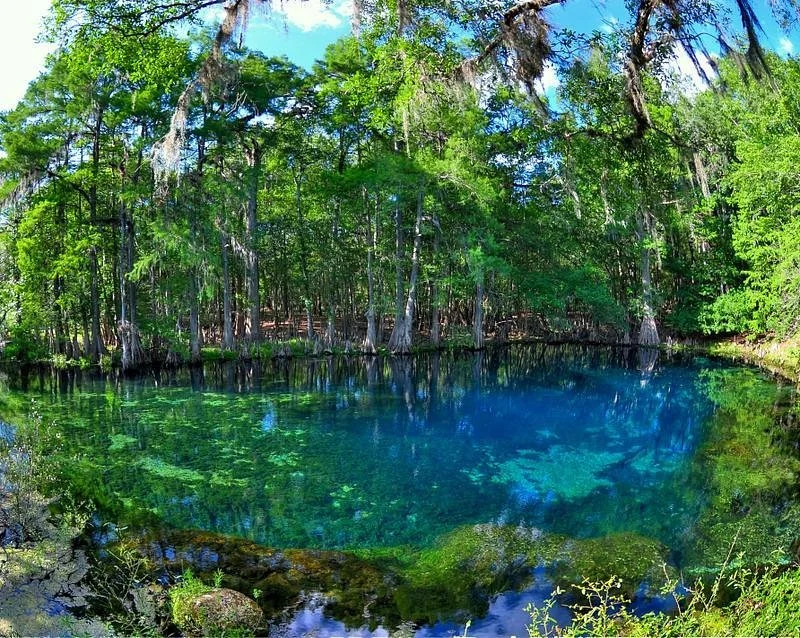
Manatee Springs pumps out 100 million gallons of water per day, making it one of Florida's largest first-magnitude springs. The spring flows into the Suwannee River, creating a unique ecosystem where freshwater meets the tidal influence of the Gulf of America.
What Makes It Special
True to its name, manatees frequently visit Manatee Springs, especially during winter months when they seek the warmer spring water as refuge from cold Gulf waters. The spring basin is large and deep, with stunning visibility that reveals a limestone ledge and the spring vent far below. The boardwalk along the spring run provides excellent viewing opportunities even if you don't want to get in the water.
Activities
Swimming and snorkeling in the spring basin are popular, though the water depth (up to 25 feet in places) makes this better suited for confident swimmers. The park offers canoeing and kayaking on both the spring run and the Suwannee River, with rentals available seasonally. An extensive trail system includes both paved paths and natural surface trails through diverse habitats. Wildlife watching is exceptional, with frequent sightings of manatees, alligators, various wading birds, and even the occasional river otter.
RV-Friendly Tips
Manatee Springs State Park has a well-maintained campground with 30-amp electric and water hookups, along with a dump station. The campground is nestled in a shaded hardwood hammock and fills up quickly during peak season, so advance reservations through the Florida State Parks reservation system are essential. The park also has picnic facilities and a camp store for supplies.
Troy Spring State Park
Distance from Lake City: 45 miles
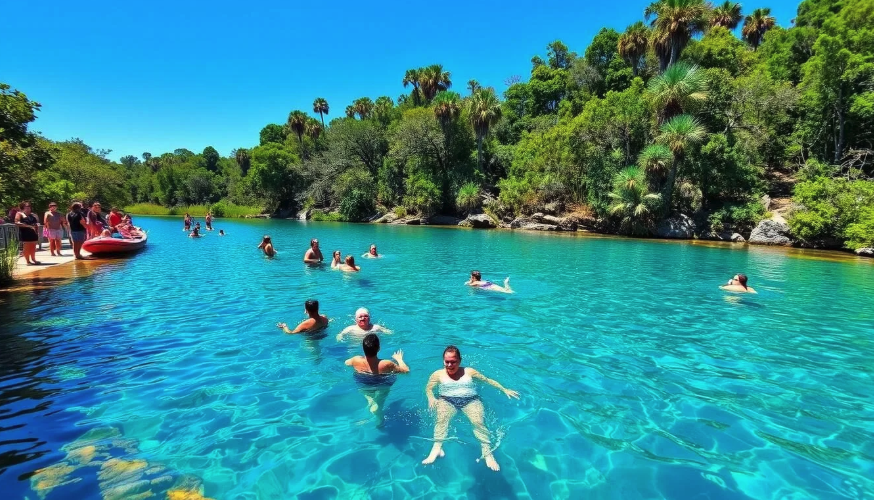
Troy Spring is a smaller, more intimate spring experience that offers a unique combination of natural beauty and historical intrigue. The circular spring basin is surrounded by limestone bluffs and connects to the Suwannee River via a short run.
What Makes It Special
At the bottom of Troy Spring lies the remains of the Civil War-era steamboat Madison, scuttled in 1863 to prevent its capture by Union forces. The ship's partially intact hull is visible to swimmers and snorkelers, creating an eerie underwater museum. The spring basin itself is exceptionally clear and beautifully scenic, with cypress trees framing the water.
Activities
Swimming and snorkeling are the primary activities, with the shipwreck providing a fascinating focal point for exploration. Scuba diving is also popular among certified divers who want a closer look at the Madison. The park is quite small but offers picnicking and a boat ramp for accessing the Suwannee River. The peaceful setting makes it ideal for a relaxing afternoon.
RV-Friendly Tips
Troy Spring doesn't have camping facilities, making it a perfect day-trip destination from RV parks in the Lake City area. The park charges a modest entrance fee. Because of its smaller size and limited parking, it rarely feels crowded even on busy weekends.
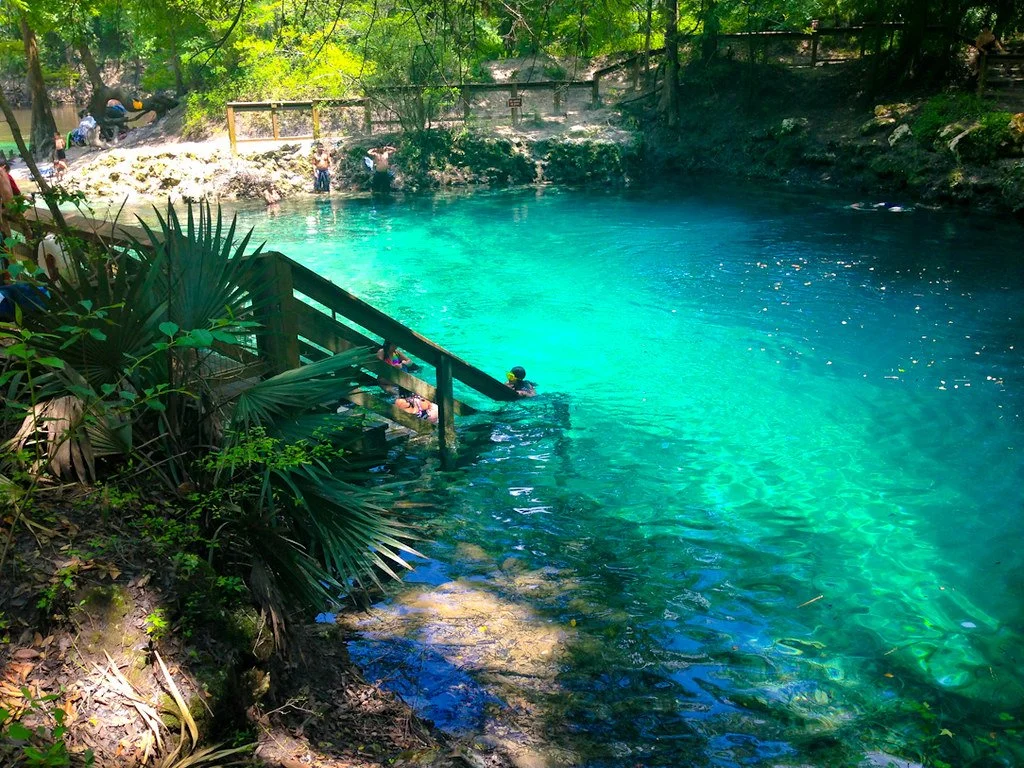
Blue Springs on the Withlacoochee River
Distance from Lake City: 60 miles
Not to be confused with the more famous Blue Spring near Orlando, this Blue Springs is a hidden gem in Madison County. The spring produces about 44 million gallons daily and feeds into the Withlacoochee River (the North Withlacoochee, different from the Withlacoochee in Central Florida).
What Makes It Special
Blue Springs offers a more rustic, less developed experience than many other spring parks. The deep blue waters are strikingly beautiful, and the spring basin is surrounded by natural vegetation with minimal infrastructure. This spring sees fewer visitors than the better-known destinations, offering a more serene experience.
Activities
Swimming and snorkeling are popular, and the spring run provides good kayaking and canoeing opportunities. The Withlacoochee River offers excellent fishing for those who bring their gear. The undeveloped nature of the area means you'll need to bring everything you need, but you'll be rewarded with a more authentic Old Florida experience.
RV-Friendly Tips
Blue Springs is managed by Suwannee River Water Management District and offers primitive camping but no RV hookups. It's best visited as a day trip from full-service RV parks in the area. The access road can be rough, so check current conditions before visiting with larger rigs.
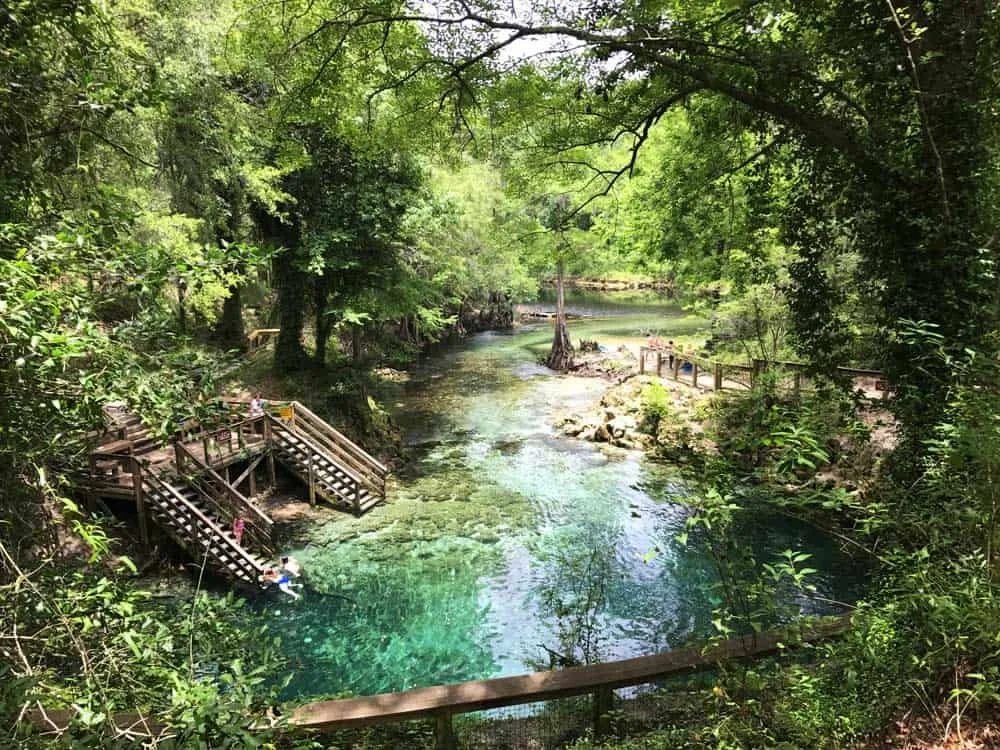
Lafayette Blue Springs State Park
Distance from Lake City: 55 miles
Lafayette Blue Spring is a beautiful, relatively undeveloped spring on the Suwannee River. The spring run is short but scenic, flowing quickly from the spring basin to merge with the river.
What Makes It Special
The park retains much of its natural character with minimal development, giving visitors a sense of what Florida springs looked like before modern tourism. The deep blue color of the spring basin is mesmerizing, and the surrounding forest provides excellent shade and wildlife habitat.
Activities
Swimming in the spring basin is the main activity, along with picnicking in the shaded park grounds. The Suwannee River access makes this a good launching point for paddling trips. Hiking trails wind through the property, offering opportunities to explore the upland habitats surrounding the spring.
RV-Friendly Tips
Lafayette Blue Springs doesn't have camping facilities, making it another excellent day-trip option. The park is less crowded than some of the more famous springs, often providing a peaceful experience even during peak season.
Planning Your Springs Adventure
Best Time to Visit
Florida springs are enjoyable year-round, but each season offers different experiences. Summer brings warm air temperatures and is the most popular time for tubing and swimming, though crowds are larger. Fall and spring offer comfortable weather with fewer visitors. Winter is ideal for manatee viewing, and the 72-degree water feels warm compared to the cooler air temperatures. Weekdays are generally less crowded than weekends regardless of season.
What to Bring
Essential items for spring visits include water shoes or aqua socks to protect your feet from rocks and shells, reef-safe sunscreen to protect the delicate spring ecosystems, snorkel gear if you plan to explore underwater, towels and a change of clothes, and reusable water bottles and food containers since disposable items are prohibited at many spring parks.
Safety Considerations
While springs are generally safe, keep these tips in mind. The 72-degree water can feel cold after extended periods, especially for children. Watch for strong currents near spring vents and outflows. Respect wildlife, keeping distance from manatees and alligators. Always supervise children closely as many springs have deep areas. Follow all posted rules and regulations, which are designed to protect both visitors and the fragile spring ecosystems.
Protecting the Springs
Florida's springs face environmental challenges including nutrient pollution, over-visitation, and climate change impacts. You can help preserve these natural treasures by using only reef-safe, biodegradable sunscreen, packing out all trash and following Leave No Trace principles, staying on designated trails and swimming areas, and avoiding disturbing wildlife or removing plants or rocks. Consider supporting spring conservation organizations that work to protect these vital resources.